In healthcare environments, nurse call systems are a core part of patient care and staff coordination. A single alert often triggers assessment, response, and follow up, which makes reliability essential. These systems support clear communication between patients and caregivers and help staff respond without confusion or delay. From large medical facilities to assisted living spaces and limited residential use, the goal remains the same: calls are delivered clearly and routed correctly.
Our work focuses on designing and installing nurse call systems that support daily operations without adding complexity. Each system is planned around workflow, response expectations, and the physical layout of the space. The result is consistent signaling, dependable alerts, and systems that staff can trust during routine care and urgent situations.
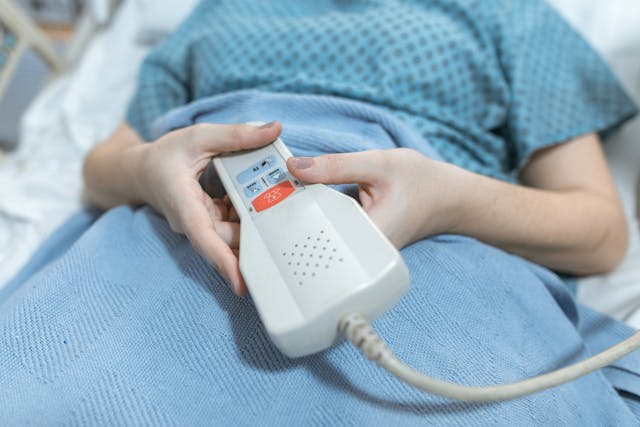
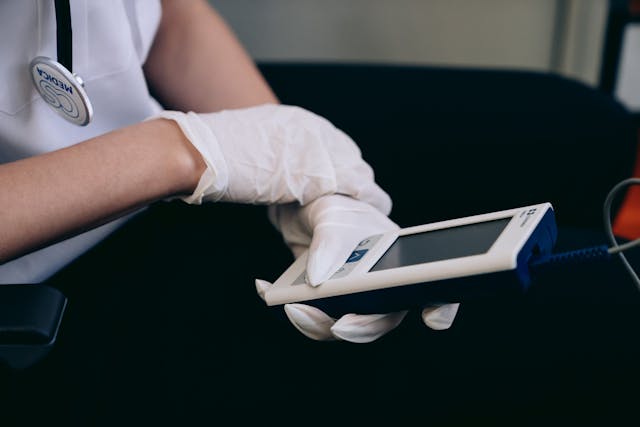
We install both traditional hardwired systems and wireless nurse call systems, depending on the needs of the facility. A typical configuration may include a nurse call station at the staff desk, bedside devices, hallway indicators, and mobile notifications for caregivers. Equipment selection is based on coverage area, staffing patterns, and response requirements.
Whether the project involves a full medical floor or a smaller residential setup, system design focuses on visibility, audible clarity, and accurate call routing. Each nurse call system is configured so alerts are recognized immediately and escalated properly when required.
Wireless nurse call systems are often used where rapid deployment or minimal construction is required. These systems are well suited for retrofits, temporary units, or facilities that want flexibility without opening walls. Components may include bedside buttons, pendants, staff badges, repeaters, and visual displays that show call location.
Wireless nurse call light systems require careful planning. Battery life, signal range, and interference are reviewed during design to reduce the risk of missed alerts. Calls are delivered to pagers, phones, or wall displays so staff can respond quickly and with confidence.
Nurse Call Systems
for Hospitals
Hospitals rely on nurse call systems for hospitals that support structured workflows and clear escalation. Features often include zone annunciation, configurable response rules, and integration with nurse consoles or communication platforms. In some cases, systems interface with telephony or clinical software used by staff.
Nurse call systems for nursing homes are designed with ease of use in mind. Residents must be able to activate a nurse call bell system without strain or confusion. Devices often include large press buttons, waterproof pendants, and clear visual indicators that caregivers can read at a distance.
Nurse Call Systems for Nursing Homes
Long-term care facilities need nurse call systems that residents can use easily and staff can trust. We help plan button placement, hallway indicators, mobile notifications, and escalation paths so caregivers can respond quickly without confusion.
Placement and ergonomics are reviewed during installation. Call buttons are positioned to reduce the risk of falls, while alert displays are set up to minimize false alarms. The goal is consistent communication that supports resident safety and caregiver efficiency.
Let’s Map Your Needs
Every facility has different requirements. A single room may only need a nurse call button for home use, while a larger campus may require a multi floor smart nurse call system. We evaluate layout, staffing levels, and response expectations before recommending equipment.
Facilities often ask about differences between hardwired and wireless nurse call light systems. We review options, outline limitations, and explain how each approach fits long term operations. The result is a system sized to clinical needs and operational goals.
Patient alerts matter. Systems should ensure they are received and acted on without delay.